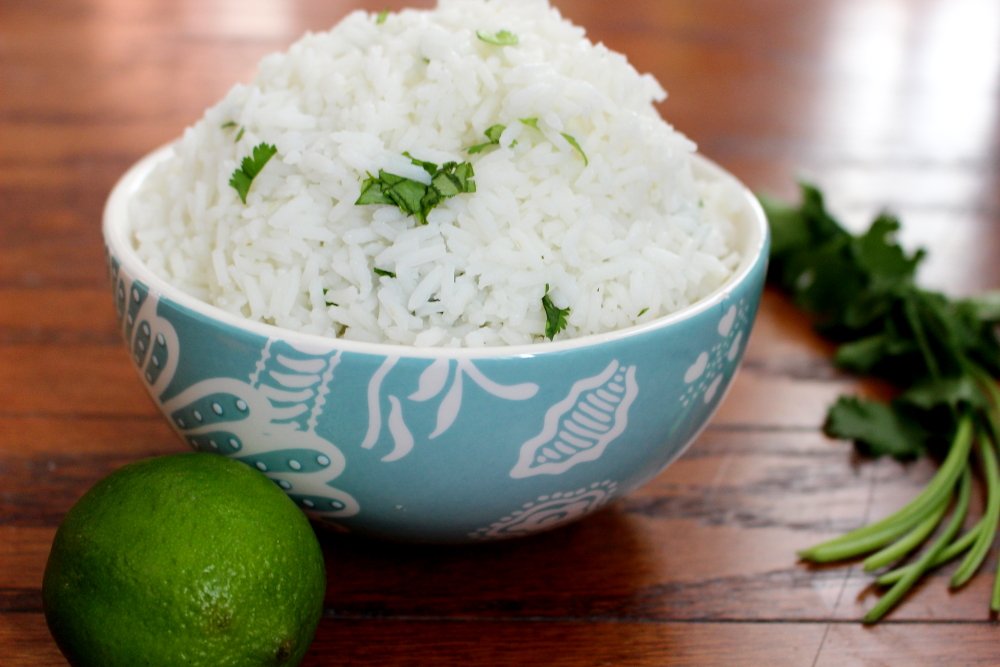
Both Chipotle rice options have 210 calories per serving. That is the first surprise. The real differences are in sodium, fiber, fat, and how fast each one digests.
Brown rice wins on fiber and sodium. White rice wins on fat and digestion speed. Neither is dramatically better unless you are tracking one of those numbers specifically. This guide breaks down every difference so you can make the right call for your actual goal.
Quick Facts
| Topic | White Rice | Brown Rice |
| Calories | 210 cal | 210 cal |
| Total Carbs | 40g | 36g |
| Net Carbs | 39g | 34g |
| Fiber | 1g | 2g |
| Fat | 4g | 6g |
| Protein | 4g | 5g |
| Sodium | 350mg | 190mg |
| Glycemic Index | 73 (high) | 68 (medium) |
| Best for | Workouts, digestion issues, lower fat | Sodium goals, satiety, blood sugar control |
| Light rice saving | ~100 cal, ~20g carbs | ~100 cal, ~18g carbs |
| No rice saving vs full scoop | 210 cal, 39g net carbs | 210 cal, 34g net carbs |
The Numbers: Full Macro Comparison
Here is the side-by-side macro breakdown for both rice options based on Chipotle’s January 2026 nutrition data.
| Nutrient | White Rice (4oz) | Brown Rice (4oz) | Difference |
| Calories | 210 cal | 210 cal | None |
| Total Carbs | 40g | 36g | Brown -4g |
| Net Carbs | 39g | 34g | Brown -5g |
| Fiber | 1g | 2g | Brown +1g |
| Fat | 4g | 6g | White -2g |
| Protein | 4g | 5g | Brown +1g |
| Sodium | 350mg | 190mg | Brown -160mg |
| Glycemic Index | 73 (high) | 68 (medium) | Brown lower |
The calorie count is identical. The meaningful differences are sodium, net carbs, fat, and glycemic index.
Use the Chipotle Calorie Counter to build the same bowl with both rice options and compare your totals live. The Chipotle bowl calories page shows how rice choice fits into different bowl builds. The Chipotle burrito calories page covers rice impact in burrito builds too.
The Two Surprises Most People Get Wrong
Surprise 1: Brown rice has more fat. Most people assume brown rice is lighter. It is not, at least not on fat. White rice has 4g of fat per serving. Brown rice has 6g. Both are cooked with rice bran oil at Chipotle and the brown rice preparation uses slightly more. This does not make brown rice unhealthy, but it challenges the assumption that brown is always the leaner option.
Surprise 2: Brown rice has dramatically less sodium. White rice has 350mg of sodium per serving. Brown rice has 190mg. That is a 160mg difference from one ingredient. For anyone monitoring blood pressure, heart health, or daily sodium intake, choosing brown rice over white saves almost as much sodium as skipping a full salsa topping.
These two facts together mean brown rice is better for sodium and carbs, worse for fat. White rice is better for fat, worse for sodium and carbs. The decision depends on what you are tracking.
What Each Rice Is Made From
White Rice ingredients: Long-grain white rice, bay leaves, cilantro, lime juice, lemon juice, rice bran oil, salt.
Brown Rice ingredients: Whole-grain brown rice, bay leaves, cilantro, lime juice, lemon juice, rice bran oil, salt.
The recipe is identical except for the rice itself. Brown rice retains its bran and germ layers, which is where the extra fiber, B vitamins, magnesium, and antioxidants come from. White rice has those layers removed during milling, leaving mostly starch. Chipotle enriches the white rice with some nutrients but it does not fully replicate the nutritional profile of whole grain.
Glycemic Index: Why It Changes Your Energy
White rice has a glycemic index of 73. Brown rice is 68. Both sit in a similar range but the difference matters for how your energy levels respond after eating.
Higher GI means faster blood sugar rise and faster energy release. This is good before or after a workout. It is less ideal if you need steady energy throughout a long afternoon of work.
Lower GI means slower digestion and a more gradual energy curve. Brown rice keeps blood sugar more stable and tends to leave you feeling satisfied for longer because of the combined effect of lower GI and higher fiber.
For most desk workers eating lunch, brown rice is the better choice on energy stability. For anyone heading to the gym within an hour of eating, white rice is actually the smarter pick.
When Brown Rice Is the Better Choice
Choose brown rice when any of these apply.
You are watching sodium. Brown rice saves 160mg of sodium versus white. Over a week of regular Chipotle visits, that adds up significantly.
You want to feel fuller longer. The extra fiber in brown rice slows digestion. Combined with protein and beans, it creates a more sustained satiety response than white rice.
You are managing blood sugar. Brown rice has a lower glycemic index at 68 versus 73. The difference is modest but consistent. People with insulin resistance or type 2 diabetes typically do better with the lower-GI option.
You want whole grain nutrition. Brown rice retains B vitamins, magnesium, and antioxidants from its bran layer. These are stripped from white rice during processing.
You are on a lower-carb build. Brown rice has 4 fewer total carbs and 5 fewer net carbs than white. Not a huge gap but meaningful if you are close to a carb target.
When White Rice Is the Better Choice
Choose white rice when any of these apply.
You are eating around a workout. White rice digests faster and releases energy more quickly. It is better for fueling a workout within 60 minutes or replenishing glycogen after training.
You have a sensitive digestive system. White rice is lower in fiber, which makes it gentler on the stomach. People with IBS, Crohn’s disease, or any condition that involves fiber sensitivity often tolerate white rice better.
You want to keep fat lower. White rice has 4g of fat versus 6g in brown. If you are already adding guacamole, sour cream, and cheese, the fat savings from white rice are a small but real offset.
You prefer the flavor. White rice at Chipotle has a softer, more traditional lime and salt profile. Many people simply prefer the texture and taste. That is a valid reason if you are not tracking strict macros.
For taco builds, Chipotle taco calories shows how rice choice affects taco bowl totals differently. The Chipotle salad calories page covers builds that skip rice entirely for the lowest-carb option. The Chipotle quesadilla calories page is useful if you are combining a quesadilla with a rice-based side.
The “Light Rice” Trick: Better Than Choosing the Wrong Type
Here is the option most guides skip. Asking for “light rice” at Chipotle cuts your portion to roughly half a scoop. This saves approximately 100 calories and 20g of carbs regardless of which rice you choose.
| Option | Calories | Carbs | Sodium |
| Full white rice | 210 cal | 40g | 350mg |
| Full brown rice | 210 cal | 36g | 190mg |
| Light white rice | ~105 cal | ~20g | ~175mg |
| Light brown rice | ~105 cal | ~18g | ~95mg |
| No rice | 0 cal | 0g | 0mg |
If you are cutting calories or carbs, light rice saves more than switching rice types does. The rice type decision matters most when you are keeping a full scoop.
Same Bowl, Both Rices: Real Meal Impact
Here is how the rice choice changes two real Chipotle meals.
Chicken Bowl: White Rice vs Brown Rice
| Build | Calories | Net Carbs | Sodium | Fat |
| Chicken + white rice + black beans + fresh salsa + cheese | 665 cal | 89g | 1,580mg | 22g |
| Chicken + brown rice + black beans + fresh salsa + cheese | 665 cal | 84g | 1,410mg | 24g |
| Difference | 0 cal | -5g net carbs | -170mg sodium | +2g fat |
Zero calorie difference. Brown rice saves 5g net carbs and 170mg sodium. White rice saves 2g fat. For most people the sodium reduction from brown rice is the most meaningful swap.
Steak Bowl: White Rice vs Brown Rice
| Build | Calories | Net Carbs | Sodium |
| Steak + white rice + pinto beans + corn salsa + sour cream | 735 cal | 101g | 1,660mg |
| Steak + brown rice + pinto beans + corn salsa + sour cream | 735 cal | 96g | 1,500mg |
Same story. No calorie change. Brown rice saves 5 net carbs and 160mg sodium at zero extra cost.
For sides alongside your rice-based meal, Chipotle chips calories shows how chips add to your total. The Chipotle kids meal calories page covers rice options in kids builds. Browse every item on the full Chipotle menu to plan your full order.
No Rice: The Third Option
Skipping rice entirely is always an option and often the smartest one for calorie or carb goals.
Swapping a full scoop of white rice for lettuce saves 210 calories, 39g net carbs, and 350mg of sodium. That is a significant shift. A bowl built on supergreens instead of rice can sit under 400 calories with a full chicken and bean build.
Many people use the half-rice or no-rice approach alongside beans as their carb source. Black beans at 130 calories and 10g net carbs give you fiber, plant-based protein, and steady energy without the rice calorie hit.
| Base Option | Calories | Net Carbs | Sodium |
| White rice | 210 cal | 39g | 350mg |
| Brown rice | 210 cal | 34g | 190mg |
| Light rice | ~105 cal | ~17-20g | ~95-175mg |
| No rice, add lettuce | 5 cal | 1g | 5mg |
| No rice, add black beans | 130 cal | 10g | 230mg |
Frequently Asked Questions
Is brown rice or white rice healthier at Chipotle?
Brown rice is generally the healthier choice. It has more fiber, less sodium, fewer net carbs, and a lower glycemic index. Both have 210 calories per serving so the calorie count is not a deciding factor.
Do brown rice and white rice have the same calories at Chipotle?
Yes. Both are 210 calories per 4oz serving. The difference is in carbs, fiber, fat, and sodium, not total calories.
Which Chipotle rice has less sodium?
Brown rice. It has 190mg of sodium per serving versus 350mg for white rice. That is a 160mg difference in favor of brown rice.
Which Chipotle rice has less fat?
White rice. It has 4g of fat per serving. Brown rice has 6g. Most people assume brown rice is lower in fat but the opposite is true at Chipotle.
What is the light rice option at Chipotle?
Asking for “light rice” gets you roughly half a standard scoop. It saves around 100 calories and 17 to 20g of carbs depending on which type you choose. It is available for both white and brown rice.
Is brown rice better for weight loss at Chipotle?
Yes for most people. Brown rice has more fiber, which increases satiety. It has a lower glycemic index, which leads to a more stable blood sugar response and less post-meal hunger. The calorie count is the same so weight loss comes from feeling fuller on identical calories.
Can I get half white and half brown rice at Chipotle?
Yes. You can ask for half white rice and half brown rice in a single bowl. Chipotle’s December 2025 High Protein Menu (Kylie’s bowl) specifically uses this combination. It splits the calorie difference evenly and blends the textures.
Owner and editor of Chipotle Calorie Counter. Tracks every ingredient on the Chipotle Mexican Grill menu so you can build your bowl, burrito, taco, or salad and know your calories and macros before you order.