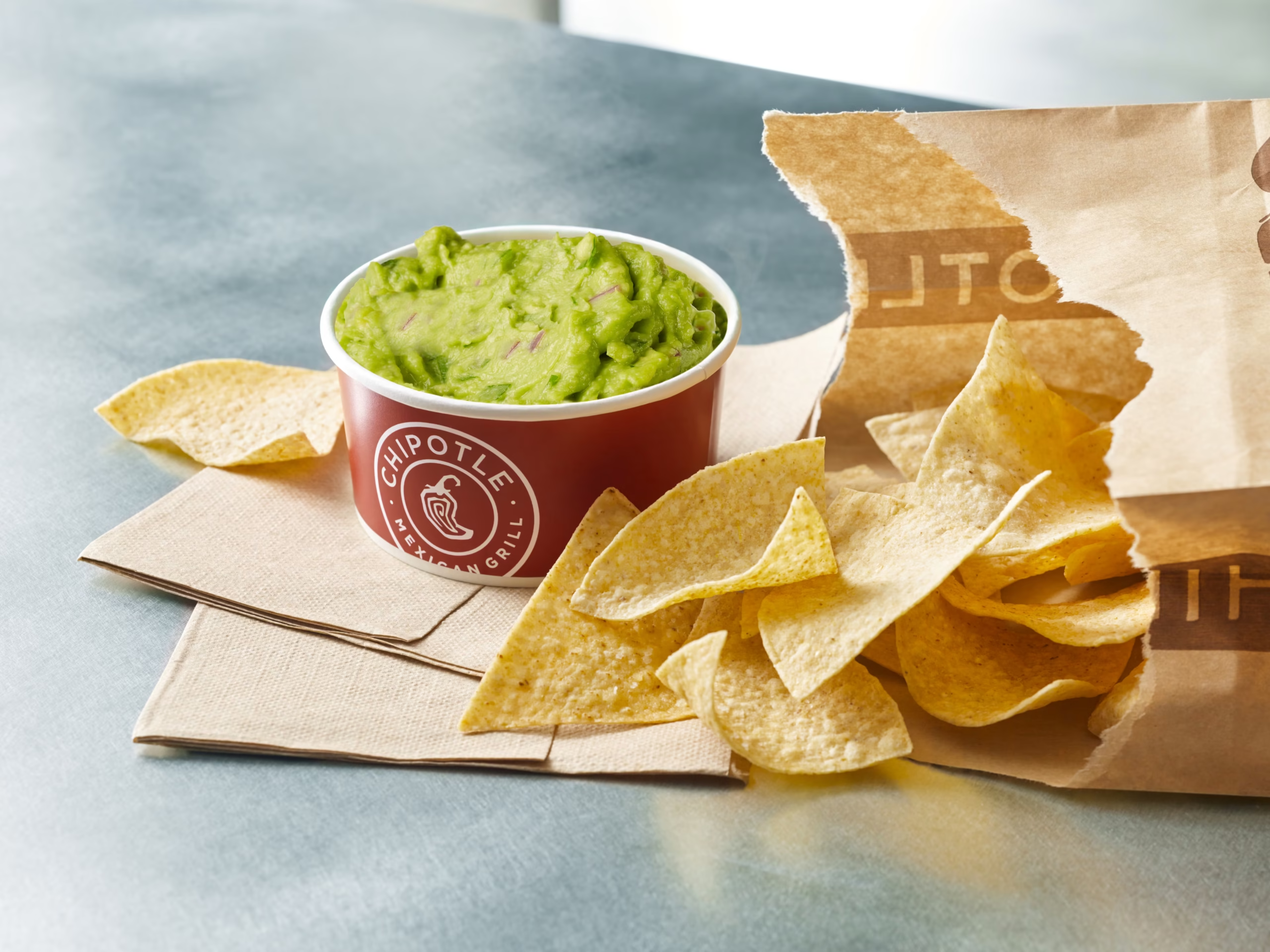
Guacamole is 230 calories with healthy unsaturated fat and 6g of fiber. Queso blanco is 120 calories but has 540mg of sodium and saturated dairy fat. They are not interchangeable. They serve completely different nutritional roles.
If you want healthy fat and fiber, choose guac. If you want lower calories and more protein from a topping, queso is the better choice. If you are watching sodium, skip queso.
Quick Facts
| Topic | Guacamole | Queso Blanco |
| Calories | 230 cal | 120 cal |
| Total Fat | 21g | 9g |
| Saturated Fat | 3g | 5g |
| Fat Type | Healthy (avocado) | Saturated (dairy) |
| Protein | 2g | 5g |
| Carbs | 13g | 4g |
| Net Carbs | 7g | 4g |
| Fiber | 6g | 0g |
| Sodium | 270mg | 540mg |
| Add-On Price | ~$2.95 extra | Usually included |
| Vegan | Yes | No (dairy) |
| Best For | Healthy fat, fiber, low sodium | Lower calories, protein, budget |
| Worst For | Calorie counting, price | High sodium concern, vegan |
Full Macro Comparison
| Nutrient | Guacamole | Queso Blanco | Winner |
| Calories | 230 cal | 120 cal | Queso -110 cal |
| Fat | 21g | 9g | Queso lower |
| Saturated Fat | 3g | 5g | Guac |
| Fat Type | Unsaturated (avocado) | Saturated (dairy) | Guac |
| Protein | 2g | 5g | Queso +3g |
| Carbs | 13g | 4g | Queso lower |
| Fiber | 6g | 0g | Guac +6g |
| Sodium | 270mg | 540mg | Guac -270mg |
| Add-On Price | ~$2.95 extra | Usually included | Queso cheaper |
Queso wins on calories, fat quantity, protein, and carbs. Guacamole wins on fat quality, fiber, and sodium. The right choice depends which category you are optimizing for.
Use the Chipotle Calorie Counter to see how guac or queso changes your full meal total before you order. The Chipotle bowl calories page shows both options in bowl context. The Chipotle burrito calories page shows how each affects burrito totals.
The Price Difference
This is the most overlooked difference between guac and queso.
Guacamole costs approximately $2.95 extra on top of any bowl, burrito, or salad order. This is why a standard chicken bowl jumps from $10.40 to around $14.30 once guac is added.
Queso Blanco as a bowl topping is typically included in the base price at most locations, the same way cheese and sour cream are. As a standalone side dip with chips, it costs extra.
This means queso as a bowl topping adds 120 calories to your meal at no additional charge. Guacamole adds 230 calories for $2.95 extra. If you are making a pure value decision, queso as a bowl topping is the better deal.
The exception: veggie bowls at Chipotle often come with free guacamole as standard.
Fat Type: Why It Matters
This is the most important nutritional difference between the two options.
Guacamole fat: Primarily monounsaturated fat from avocado. This is the same heart-healthy fat found in olive oil. It supports cardiovascular health, helps absorb fat-soluble vitamins, and provides slow-burning energy.
Queso blanco fat: Primarily saturated fat from dairy. At 5g of saturated fat per serving, queso uses 25% of the daily recommended limit in one topping. Saturated fat in excess is linked to higher LDL cholesterol.
Both fats are part of a healthy diet in moderation. The distinction matters for people managing heart health or those following dietary guidelines that recommend limiting saturated fat.
| Fat Comparison | Guacamole | Queso Blanco |
| Total Fat | 21g | 9g |
| Saturated Fat | 3g | 5g |
| Unsaturated Fat | ~18g | ~4g |
| Fat Source | Avocado | Dairy (aged cheddar) |
| % Daily Sat Fat | 15% | 25% |
Guacamole has more total fat but most of it is the healthier unsaturated type. Queso has less total fat but most of it is the more concerning saturated type.
The Sodium Gap
Queso blanco has 540mg of sodium per serving. Guacamole has 270mg. Queso has exactly double the sodium.
In the context of a full bowl, this difference matters.
| Build | Sodium |
| Chicken bowl without either | ~1,200mg |
| + Guacamole | ~1,470mg |
| + Queso Blanco | ~1,740mg |
Adding queso on top of a standard chicken bowl brings the sodium to 1,740mg. That is 76% of the daily recommended limit of 2,300mg in a single meal. People managing blood pressure or sodium intake should treat queso as a significant sodium source, not a minor topping.
When Guacamole Is the Better Pick
Choose guacamole in these situations.
You want healthy fat. Avocado fat is among the best dietary fat sources available. It provides heart-healthy monounsaturated fat, vitamin E, and potassium alongside the calories.
You want more fiber. Guac adds 6g of fiber to your bowl. Combined with black beans (7g fiber), a well-built bowl with guac can deliver 13 to 15g of fiber in one meal.
You are watching sodium. Guac has 270mg of sodium. Queso has 540mg. For sodium-conscious orders, guac is clearly the better topping.
You are building a keto or paleo bowl. Guac fits both diets perfectly. The healthy fat and low net carbs make it ideal for fat-focused eating approaches.
You are vegan. Queso is dairy-based. Guacamole is fully plant-based and vegan.
For taco builds with guac, Chipotle taco calories shows how guac changes taco totals. The Chipotle salad calories page covers guac in salad builds where it doubles as dressing. For quesadilla pairing, Chipotle quesadilla calories shows how guac stacks with cheese-based formats.
When Queso Blanco Is the Better Pick
Choose queso in these situations.
You want lower calories from a topping. Queso is 120 calories versus guac’s 230. If you want a creamy, indulgent topping with less calorie impact, queso is the better pick.
You want more protein from extras. Queso has 5g of protein. Guac has 2g. Queso is a better protein topping between the two options.
You are not tracking sodium. If sodium is not a concern for you, queso delivers a rich, cheesy flavor with less calorie cost than guac.
You want a comfort-food bowl. Queso changes the flavor profile of a bowl dramatically. Combined with sour cream and cheese, it creates a richer, more indulgent meal experience. This is a valid reason to choose it.
You want to save money. Queso as a bowl topping is typically included in the base price. Guacamole costs $2.95 extra.
Can I Get Both?
Yes. You can add both guacamole and queso blanco to the same bowl. Here is what that costs nutritionally.
| Combined Guac + Queso | Calories | Fat | Sodium | Protein |
| Both together | 350 cal | 30g | 810mg | 7g |
350 calories and 810mg of sodium from just two toppings. In a standard chicken bowl, both toppings would push your total to around 1,025 calories and over 2,000mg of sodium. That approaches the full daily sodium limit in one meal.
Both is fine as an occasional choice. It is not a sustainable daily build if you are tracking nutrition.
Real Bowl Impact: Same Bowl with Each Option
Here is the same chicken bowl with each topping substituted.
| Build | Calories | Sodium | Fat Quality |
| Chicken + beans + salsa + cheese (no guac/queso) | 660 cal | 1,370mg | — |
| + Guacamole | 890 cal | 1,640mg | Unsaturated |
| + Queso Blanco | 780 cal | 1,910mg | Saturated |
| + Both | 1,010 cal | 2,180mg | Mixed |
Guacamole adds 230 calories but better fat. Queso adds 120 calories but 540mg sodium. The bowl with queso is 110 calories lighter than the guac bowl but carries 270mg more sodium.
For chips with either option, Chipotle chips calories shows that chips + guac = 770 cal versus chips + queso = 730 cal. The Chipotle kids meal calories page covers lighter sides for family orders. Browse every item on the full Chipotle menu.
For Specific Diets
| Diet | Best Pick | Reason |
| Weight loss | Queso | 110 fewer calories per serving |
| Keto | Guac | Higher fat, lower carbs (2g net vs 4g) |
| Vegan | Guac only | Queso is dairy-based |
| High sodium concern | Guac | 270mg vs 540mg sodium |
| Heart health | Guac | Unsaturated fat vs saturated |
| Budget | Queso | Usually included vs $2.95 extra |
| Highest protein topping | Queso | 5g vs 2g protein |
Frequently Asked Questions
Is guac or queso healthier at Chipotle?
Depends on what you mean. Guac has healthier fat (unsaturated), more fiber (6g), and less sodium (270mg). Queso is lower in calories (120 vs 230) and higher in protein (5g vs 2g). For overall nutrition quality, guac is the better choice.
How many calories does guacamole add to a Chipotle bowl?
Guacamole adds 230 calories. It also adds 21g of fat (mostly unsaturated), 6g of fiber, and 270mg of sodium.
How many calories does queso add to a Chipotle bowl?
Queso blanco adds 120 calories as a bowl topping. It also adds 9g of fat (mostly saturated), 5g of protein, and 540mg of sodium.
Is Chipotle guacamole worth the extra charge?
Nutritionally yes, if you value healthy fat and fiber. At $2.95 extra for 21g of monounsaturated fat and 6g of fiber, it is a strong nutritional add-on. If you are strictly minimizing cost or calories, skip it.
Does Chipotle charge extra for queso?
As a bowl topping, queso blanco is typically included in the base price at most locations. As a standalone side dip with chips, it costs extra. Guacamole always costs extra (~$2.95) on bowls, burritos, and salads unless you order a veggie build.
Can I add both guac and queso to a Chipotle bowl?
Yes. Combined they add 350 calories and 810mg of sodium. In a full bowl with protein and beans, this pushes total sodium toward the daily recommended limit in one meal.
Which is better for keto, guac or queso?
Guacamole. It has 2g net carbs (13g total, 6g fiber) versus queso’s 4g net carbs. Both technically fit keto, but guac is better aligned with the high-fat, low-net-carb structure of ketogenic eating.
Owner and editor of Chipotle Calorie Counter. Tracks every ingredient on the Chipotle Mexican Grill menu so you can build your bowl, burrito, taco, or salad and know your calories and macros before you order.